
This weeks run:
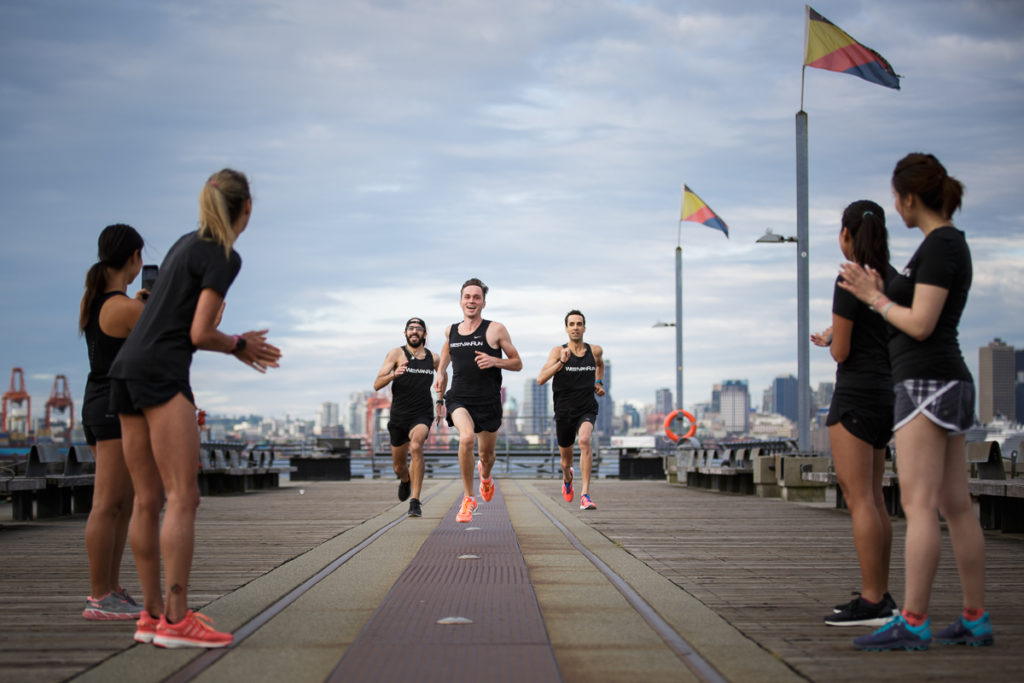
The West Vancouver Seawall. It’s perfect for short easy runs. There are also plenty of coffee shops at both Dundarave and Ambleside Areas. In just 3-4 km you’ll be able to cover most of West Vancouver’s shoreline and find a ton of places for photo ops.
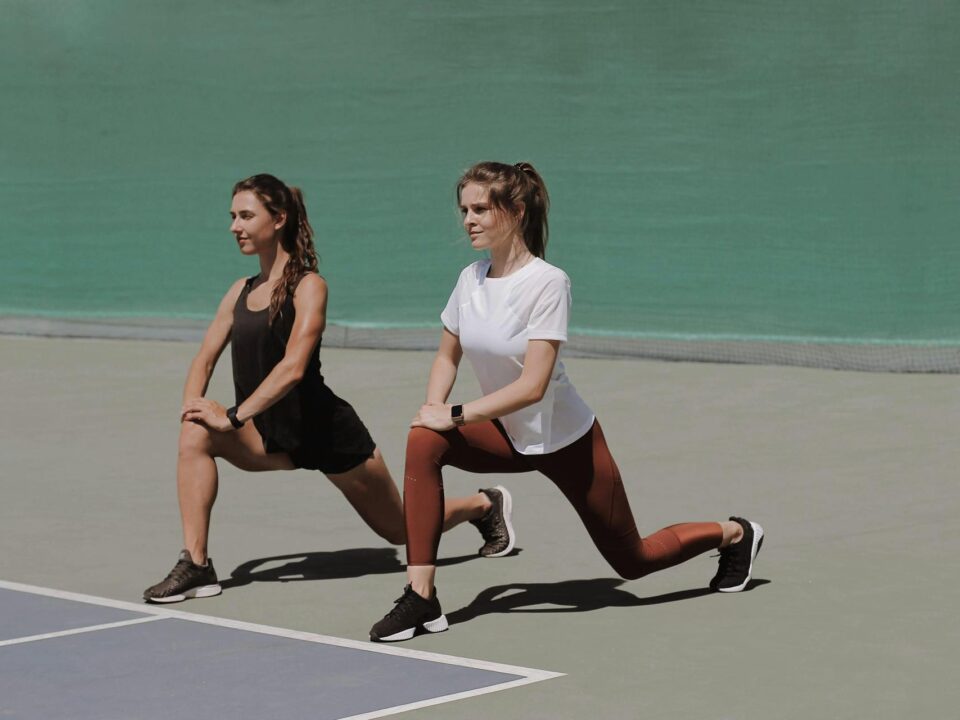
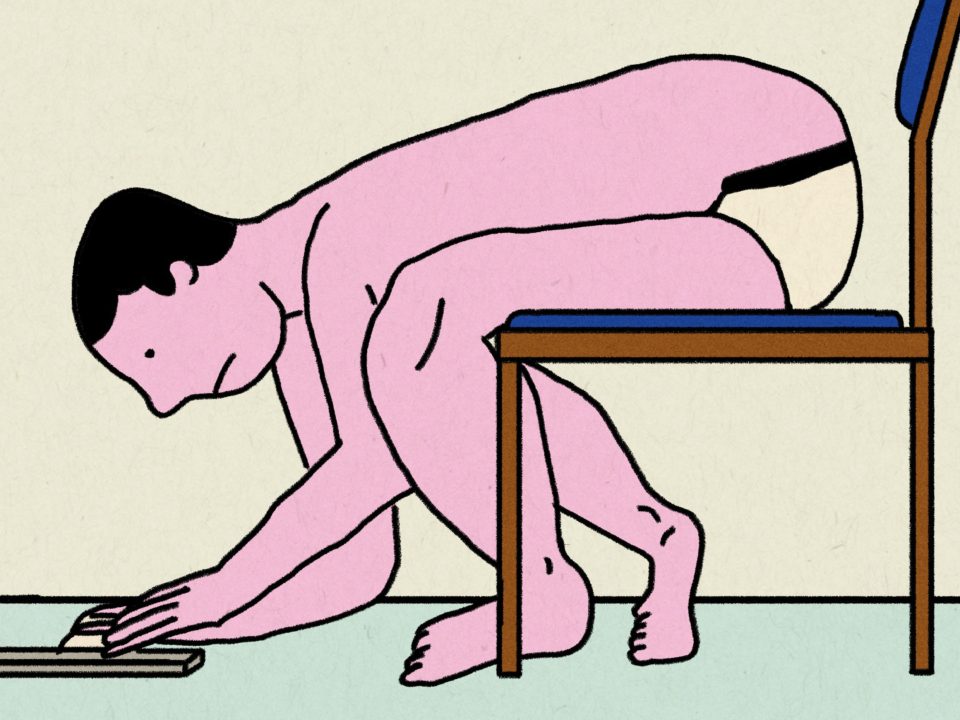
Injury Prevention Move For This Week
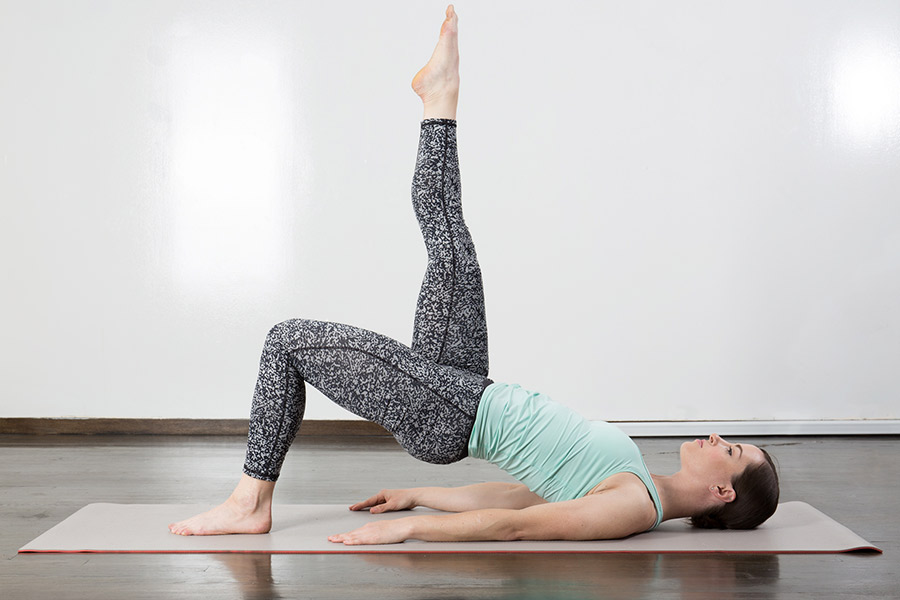
Photo Courtesy of The Greatest
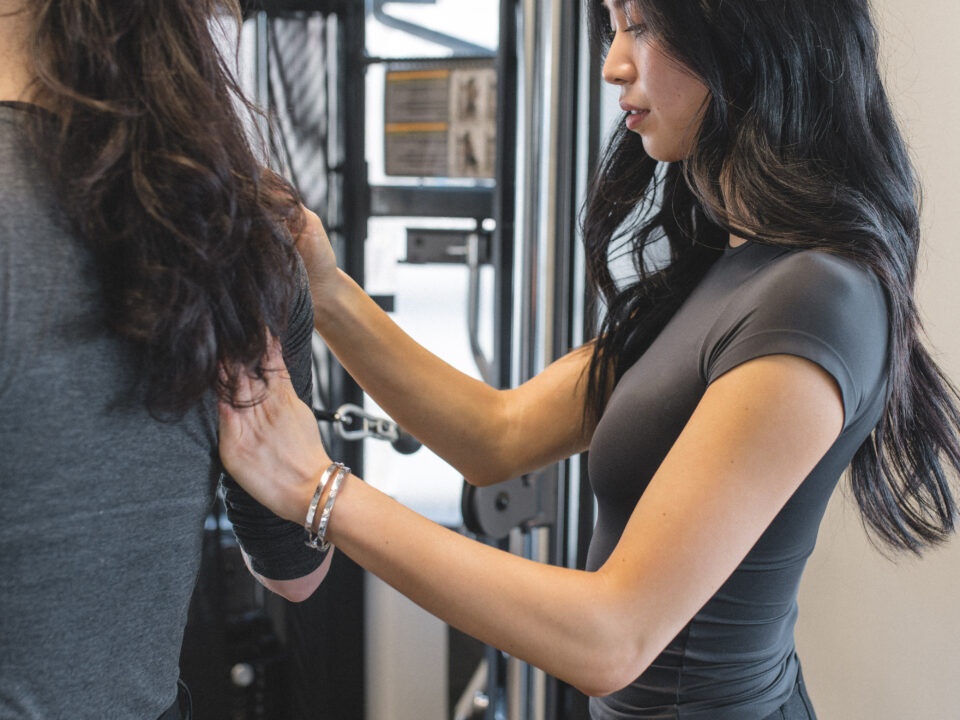
5 Ways Pilates Helps Athletes To Rehabilitate And Prevent Injuries
1. Concentration to specific body parts
Pilates requires intentional, mindful movement. You must stay aware of how your body moves at all times. This awareness helps you isolate and target specific muscles that need strengthening.
When recovering from an injury, Pilates lets you focus on the small muscles surrounding the affected area. Strengthening these supportive muscles protects the injured part and speeds up recovery. As a result, you return stronger and more resilient.
2. Conscious breathing
Like yoga, Pilates emphasizes conscious breathing. You learn to avoid holding your breath or restricting airflow. Proper breathing helps the diaphragm stabilize the trunk, improving control and strength.
Correct breathing also encourages circulation to injured areas. With better oxygen flow, pressure points ease and healing improves. Traditional therapy often overlooks this element, but in Pilates, it’s central to the process.
3. Restores muscular balance
Muscle imbalance is a leading cause of injuries in athletes. Different sports strengthen some muscles while leaving others weak. This imbalance raises the risk of injury.
Pilates corrects these patterns. It builds balanced musculature across the body and teaches proper alignment. Moving with correct form not only aids current recovery but also reduces the chance of future injuries.
4. Control
Control is a hallmark of Pilates. Each exercise focuses on stability, core strength, and maintaining a neutral spine. Movements are performed within a safe mid-range—what practitioners call “the playing field.”
This reduces the risk of awkward or uncontrolled motions that could aggravate injuries. Pilates also adapts easily to individual needs. Athletes can work within their range of motion while still feeling in control of their progress.
5. Positive movements
Pilates improves body awareness. Athletes relearn proper movement sequences that reduce stress on vulnerable areas. These positive patterns build confidence and help prevent re-injury.
The practice also teaches the body to move optimally and efficiently. By reinforcing functional movement, Pilates lowers the risk of future setbacks.
What To Eat This Week:
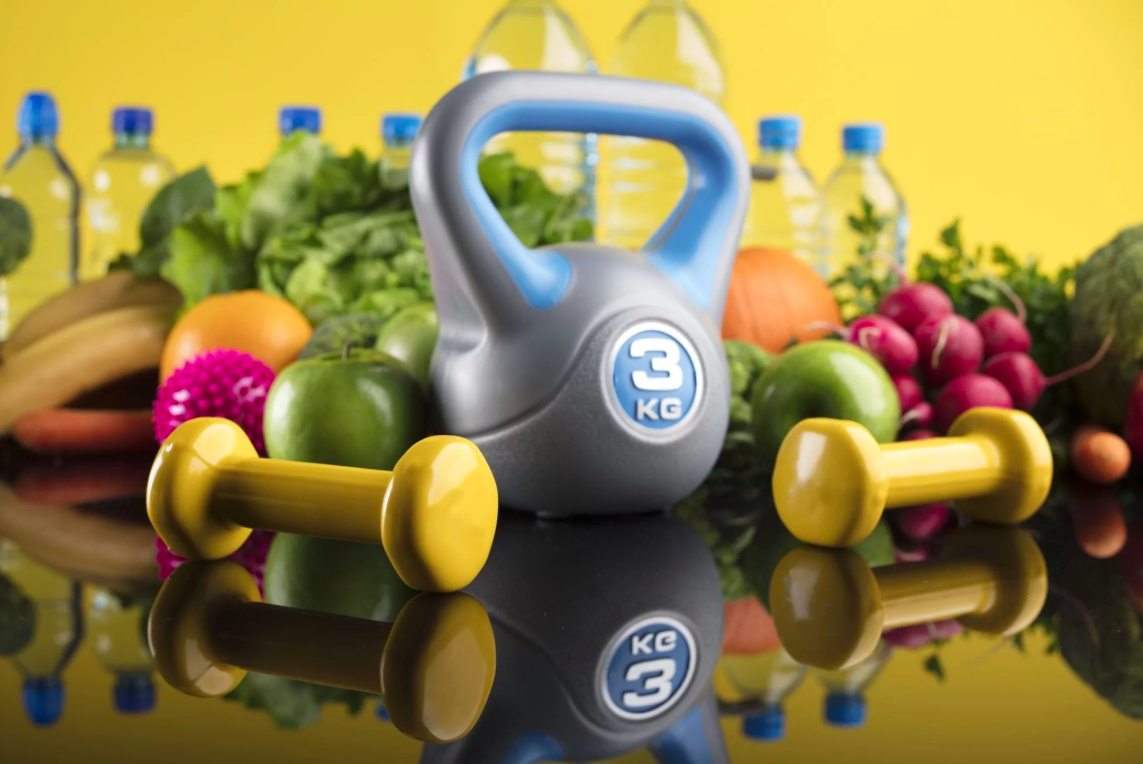
Foods and Supplements for Sports Injuries
Fiber-Rich Foods
Recovering athletes often experience reduced activity, which can lead to weight gain. Eating slightly less and choosing fiber-rich foods can help manage this.
Fruits, vegetables, legumes, and whole grains promote fullness while providing vitamins and minerals like vitamin C, magnesium, and zinc. These nutrients support recovery.
Avoid cutting calories too drastically, though. Severe restriction slows healing and can cause muscle loss. If you were trying to lose weight before your injury, focus instead on maintaining weight until recovery is complete.
Bottom line: Fiber-rich foods control appetite and weight gain while supporting healing.
Fruits and Vegetables Rich in Vitamin C
Vitamin C supports collagen production, which strengthens bones, muscles, tendons, and skin. It also has antioxidant and anti-inflammatory effects, both important for recovery.
The best sources include citrus fruits, bell peppers, kiwi, leafy greens, berries, and broccoli. Supplements are only useful for people unable to meet needs through diet.
Bottom line: Vitamin C-rich foods improve tissue repair and help manage inflammation during recovery.
Omega-3 Fatty Acids
Inflammation is a natural part of healing, but too much slows recovery. Omega-3 fats reduce excess inflammation and support muscle health.
These fats are found in fish, walnuts, flaxseeds, chia seeds, and algae. Limiting omega-6 fats, common in oils like corn and soy, helps balance inflammation.
Some research shows omega-3 supplements may reduce muscle loss during immobilization. However, high doses can also make it harder to regain muscle once training resumes. Food sources remain the safer choice.
Bottom line: Omega-3 fats from foods reduce excess inflammation and support muscle recovery.