
Lower Back Pain Comes in Many Shapes and Forms
Some people experience brief bouts of lower back pain, while others struggle with chronic issues for years. As a West Vancouver chiropractor, I’ve seen countless forms of back pain. Despite their differences, they share one thing in common — the tissue involved can no longer handle the load placed on it.
Injuries occur when a tissue’s capacity to handle stress or strain is exceeded. This overload can lead to muscle strains, ligament sprains, joint irritation, disc bulges, or nerve impingement. Once the tissue reaches its limit, damage happens.
There are two main ways an injury can occur:
-
The tissue itself is damaged.
-
The body compensates and shifts the stress to another area.
When compensation occurs, new tissues take on loads they aren’t designed for. These weaker tissues then become injured in quick succession. Damage may happen during a single traumatic event like a fall or car accident, or develop gradually through repetitive strain.
Why Tissues Exceed Their Load Capacity
So, why does this happen in the first place? The reasons usually fall into three categories:
1. The Tissue Isn’t Strong or Stable Enough
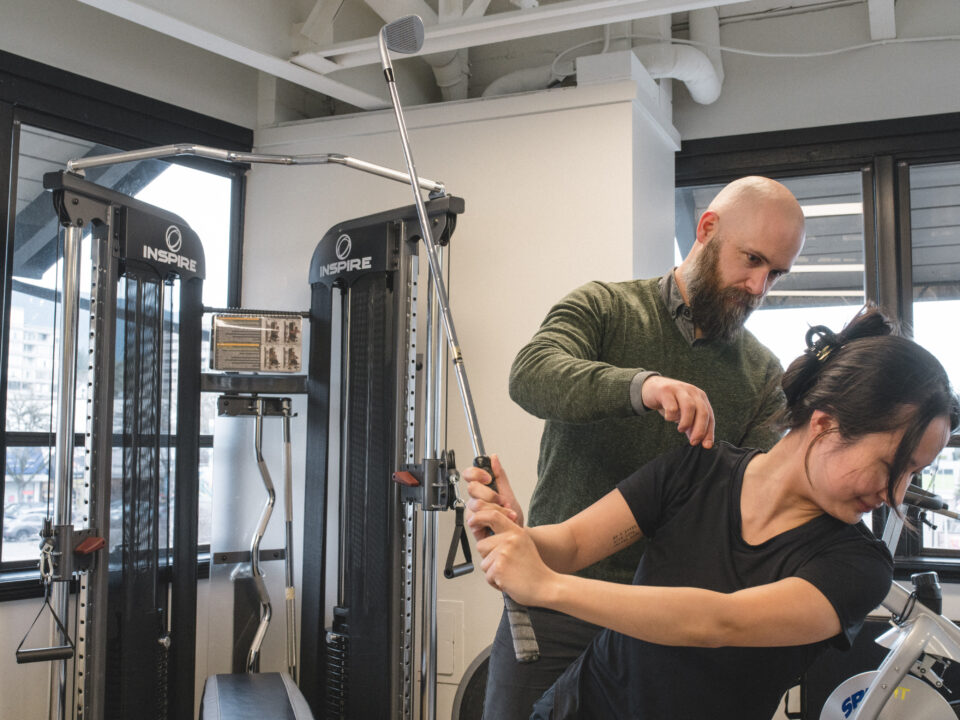
If you’ve ever seen a chiropractor, physiotherapist, or kinesiologist, you’ve likely heard about the importance of core strength. But core strength isn’t just about six-pack abs. Think of the core as a barrel of muscles that wrap around your lower back, supporting everything between your hips and ribs.
When these muscles can’t handle the demand, they strain easily. They may also shift the load to the ligaments or joints, leading to sprains or chronic pain.
2. Not Enough Mobility
Strength and stability protect your back, but mobility is equally vital. The key is to stay strong without becoming rigid. Your body should move freely and handle loads in different positions — not just one.
Mobility goes beyond flexibility. It’s about moving a joint through its full range of motion with control and coordination. Training the thoracic spine and hips to move properly helps reduce strain on the lower back.
Without mobility, surrounding joints tighten, forcing the lower back to overwork and absorb extra stress. Over time, that imbalance leads to pain and stiffness.
3. The Tissue or Joint Is Doing the Wrong Job
Each joint and muscle in your body has a specific role. Some provide mobility, others offer stability or power. Large muscles generate movement, while smaller stabilizing ones control those movements.
When your biomechanics are off — from poor lifting form or bad movement habits — your body compensates. It asks the wrong tissues to do the wrong job. For example, if your core is weak but your hips and thoracic spine are stiff, your lower back ends up taking on too much work.
This imbalance often leads to muscle guarding, joint irritation, and long-term degeneration. It’s one of the most common patterns we see in people with persistent lower back pain.
Moving Forward
Lower back pain looks different for everyone. However, approaching it through functional movement, strength, and mobility training helps prevent and reduce pain over time.
Stay tuned for our next post, where we’ll share practical tips and exercises to help you prevent and manage lower back pain at home.
Make An Appointment!
Quick Booking With The Jane App
Lower Back Pain Comes in Many Shapes and Forms
Some people experience brief bouts of lower back pain, while others struggle with chronic issues for years. As a West Vancouver chiropractor, I’ve seen countless forms of back pain. Despite their differences, they share one thing in common — the tissue involved can no longer handle the load placed on it.
Injuries occur when a tissue’s capacity to handle stress or strain is exceeded. This overload can lead to muscle strains, ligament sprains, joint irritation, disc bulges, or nerve impingement. Once the tissue reaches its limit, damage happens.
There are two main ways an injury can occur:
-
The tissue itself is damaged.
-
The body compensates and shifts the stress to another area.
When compensation occurs, new tissues take on loads they aren’t designed for. These weaker tissues then become injured in quick succession. Damage may happen during a single traumatic event like a fall or car accident, or develop gradually through repetitive strain.
Why Tissues Exceed Their Load Capacity
So, why does this happen in the first place? The reasons usually fall into three categories:
1. The Tissue Isn’t Strong or Stable Enough
If you’ve ever seen a chiropractor, physiotherapist, or kinesiologist, you’ve likely heard about the importance of core strength. But core strength isn’t just about six-pack abs. Think of the core as a barrel of muscles that wrap around your lower back, supporting everything between your hips and ribs.
When these muscles can’t handle the demand, they strain easily. They may also shift the load to the ligaments or joints, leading to sprains or chronic pain.
2. Not Enough Mobility
Strength and stability protect your back, but mobility is equally vital. The key is to stay strong without becoming rigid. Your body should move freely and handle loads in different positions — not just one.
Mobility goes beyond flexibility. It’s about moving a joint through its full range of motion with control and coordination. Training the thoracic spine and hips to move properly helps reduce strain on the lower back.
Without mobility, surrounding joints tighten, forcing the lower back to overwork and absorb extra stress. Over time, that imbalance leads to pain and stiffness.
3. The Tissue or Joint Is Doing the Wrong Job
Each joint and muscle in your body has a specific role. Some provide mobility, others offer stability or power. Large muscles generate movement, while smaller stabilizing ones control those movements.
When your biomechanics are off — from poor lifting form or bad movement habits — your body compensates. It asks the wrong tissues to do the wrong job. For example, if your core is weak but your hips and thoracic spine are stiff, your lower back ends up taking on too much work.
This imbalance often leads to muscle guarding, joint irritation, and long-term degeneration. It’s one of the most common patterns we see in people with persistent lower back pain.
Moving Forward
Lower back pain looks different for everyone. However, approaching it through functional movement, strength, and mobility training helps prevent and reduce pain over time.
Stay tuned for our next post, where we’ll share practical tips and exercises to help you prevent and manage lower back pain at home.