

It’s a new year, and the gyms are filling up with people starting fresh workout programs.
Before you jump in, here are some reasons to skip that routine—the one that could derail your goals with injury, burnout, or sheer frustration.
What’s “That” Workout?
It’s the program you grabbed from the internet because a professional bodybuilder swears by it. The off-season drills you saw a pro athlete doing on YouTube. The latest fad promising chiseled abs or a perfect butt in 37 seconds a day. These aren’t bad programs, but they might not be right for you—yet.
1. Your Form Needs Work
If you can’t perform the exercise correctly, you probably shouldn’t be doing it. Many trendy programs include advanced lifts. They can be great for seasoned lifters, but risky for the average gym-goer. “Cheating” your form might let you lift more weight now, but it sacrifices safety and longevity.
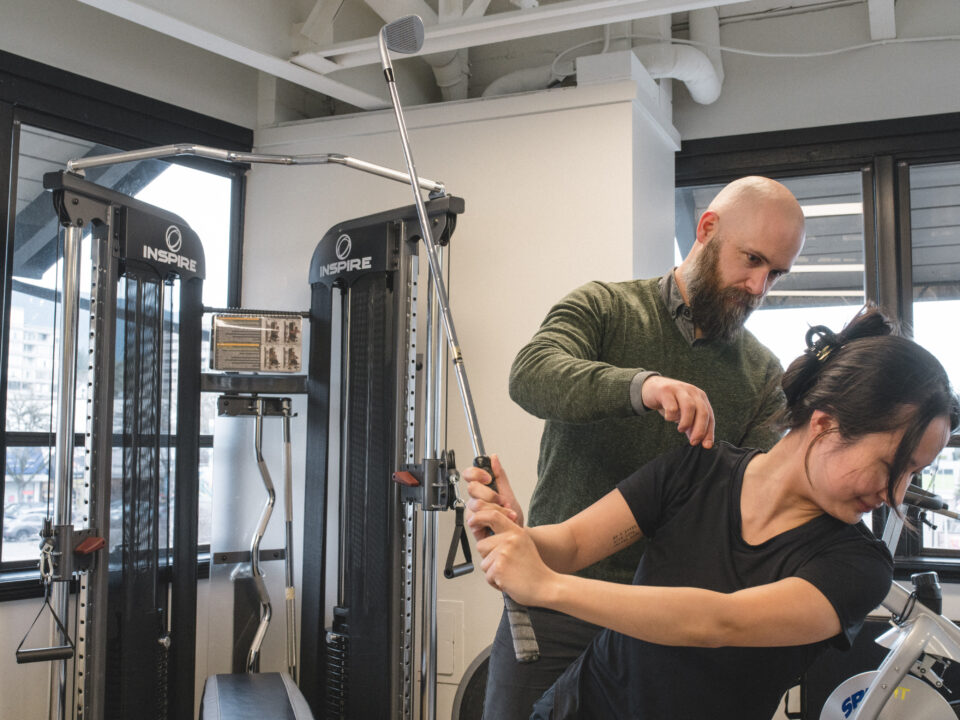
If you haven’t nailed a basic squat, can’t stabilize your shoulders in pressing or pulling movements, or your core strength is lacking, focus on the fundamentals first. Perfect your form before trying Olympic lifts, high-volume circuits, or HIIT training. Unsure where to start? Work with a physiotherapist, chiropractor, kinesiologist, or athletic therapist who understands basic human biomechanics.
2. Your Diet isn’t Supporting you
Gains happen when you balance the muscle breakdown from training with proper nutrition and recovery. Without enough calories, protein, vitamins, and minerals, you’re sabotaging your own progress.
The right diet fuels workouts, supports recovery, and maintains healthy body composition. Going hard in the gym without eating well is a recipe for injury, overtraining, and wasted effort. Ditch the fad diets and get advice from a reputable nutritionist or dietitian.
3. You’re Not Sleeping Enough
Nutrition is vital, but sleep might matter just as much. Your body rebuilds itself during rest. Too little sleep limits recovery and affects performance, hormones, immunity, mental focus, and digestion.
Waking up at 6 a.m. for an intense workout might feel dedicated, but if it cuts into your sleep, it’s working against you. Prioritize recovery as much as you prioritize training.
4. “That” Program Doesn’t Match Your Goals
Training without clear goals is like driving without a destination. “Get in shape” isn’t specific enough. Instead, set goals like building muscle, losing weight, improving strength, or boosting endurance.
Your program should match that goal. Sets, reps, rest times, exercise order, and tempo all vary depending on what you’re aiming for. If you’re unsure, get help from a professional who can tailor a plan to you.
5. You’re Rushing the Process
Be patient. Sustainable results take time. Jumping into advanced programs too soon can cause injuries and burnout. Progress gradually so your body—and your habits—can adapt.
Slow and steady not only protects your health but also makes your results last. Even experienced athletes return to basics from time to time.
Jumping into programs you’re not ready for is not only setting yourself up for failure in the short term, but also putting your health at risk in the long term. If you’re going to start a new routine this year, find a professional that can guide you through the basics if you need them or help navigate new territories in more advanced techniques if you’re looking for something new. Even those of us who have been in the game for years have to step back to basics every once in a while. Exercise doesn’t have to be complicated when in doubt apply the K.I.S.S. principle. Keep it simple, stupid.
Make An Appointment!
Quick Booking With The Jane App
It’s a new year, and the gyms are filling up with people starting fresh workout programs.
Before you jump in, here are some reasons to skip that routine—the one that could derail your goals with injury, burnout, or sheer frustration.
What’s “That” Workout?
It’s the program you grabbed from the internet because a professional bodybuilder swears by it. The off-season drills you saw a pro athlete doing on YouTube. The latest fad promising chiseled abs or a perfect butt in 37 seconds a day. These aren’t bad programs, but they might not be right for you—yet.
1. Your Form Needs Work
If you can’t perform the exercise correctly, you probably shouldn’t be doing it. Many trendy programs include advanced lifts. They can be great for seasoned lifters, but risky for the average gym-goer. “Cheating” your form might let you lift more weight now, but it sacrifices safety and longevity.
If you haven’t nailed a basic squat, can’t stabilize your shoulders in pressing or pulling movements, or your core strength is lacking, focus on the fundamentals first. Perfect your form before trying Olympic lifts, high-volume circuits, or HIIT training. Unsure where to start? Work with a physiotherapist, chiropractor, kinesiologist, or athletic therapist who understands basic human biomechanics.
2. Your Diet isn’t Supporting you
Gains happen when you balance the muscle breakdown from training with proper nutrition and recovery. Without enough calories, protein, vitamins, and minerals, you’re sabotaging your own progress.
The right diet fuels workouts, supports recovery, and maintains healthy body composition. Going hard in the gym without eating well is a recipe for injury, overtraining, and wasted effort. Ditch the fad diets and get advice from a reputable nutritionist or dietitian.
3. You’re Not Sleeping Enough
Nutrition is vital, but sleep might matter just as much. Your body rebuilds itself during rest. Too little sleep limits recovery and affects performance, hormones, immunity, mental focus, and digestion.
Waking up at 6 a.m. for an intense workout might feel dedicated, but if it cuts into your sleep, it’s working against you. Prioritize recovery as much as you prioritize training.
4. “That” Program Doesn’t Match Your Goals
Training without clear goals is like driving without a destination. “Get in shape” isn’t specific enough. Instead, set goals like building muscle, losing weight, improving strength, or boosting endurance.
Your program should match that goal. Sets, reps, rest times, exercise order, and tempo all vary depending on what you’re aiming for. If you’re unsure, get help from a professional who can tailor a plan to you.
5. You’re Rushing the Process
Be patient. Sustainable results take time. Jumping into advanced programs too soon can cause injuries and burnout. Progress gradually so your body—and your habits—can adapt.
Slow and steady not only protects your health but also makes your results last. Even experienced athletes return to basics from time to time.
Jumping into programs you’re not ready for is not only setting yourself up for failure in the short term, but also putting your health at risk in the long term. If you’re going to start a new routine this year, find a professional that can guide you through the basics if you need them or help navigate new territories in more advanced techniques if you’re looking for something new. Even those of us who have been in the game for years have to step back to basics every once in a while. Exercise doesn’t have to be complicated when in doubt apply the K.I.S.S. principle. Keep it simple, stupid.