
Diagnosis of Athletic Injuries Today
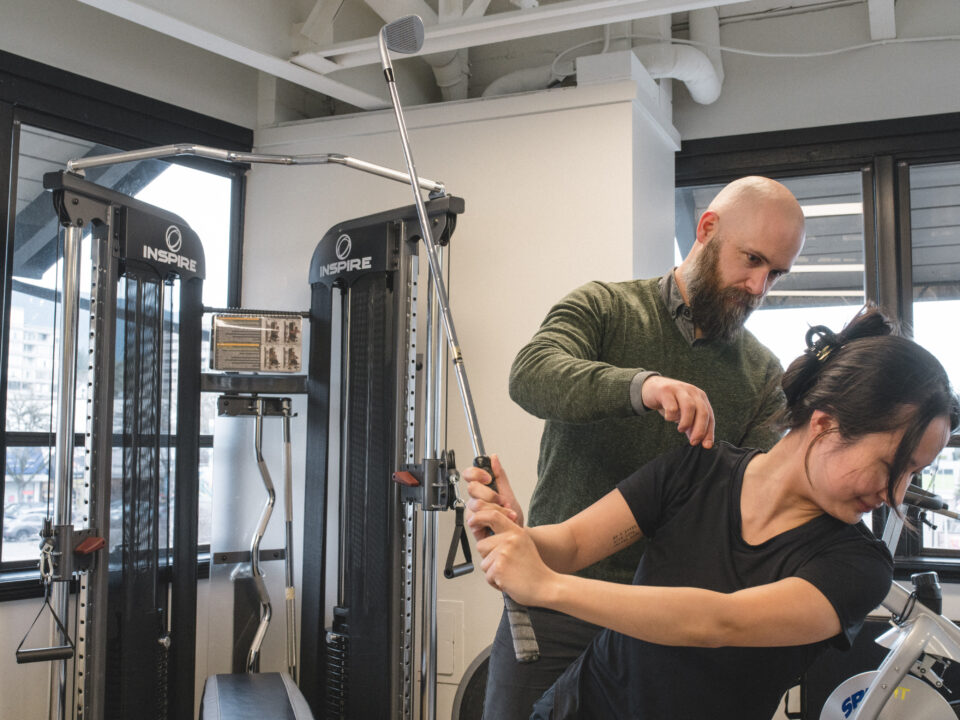
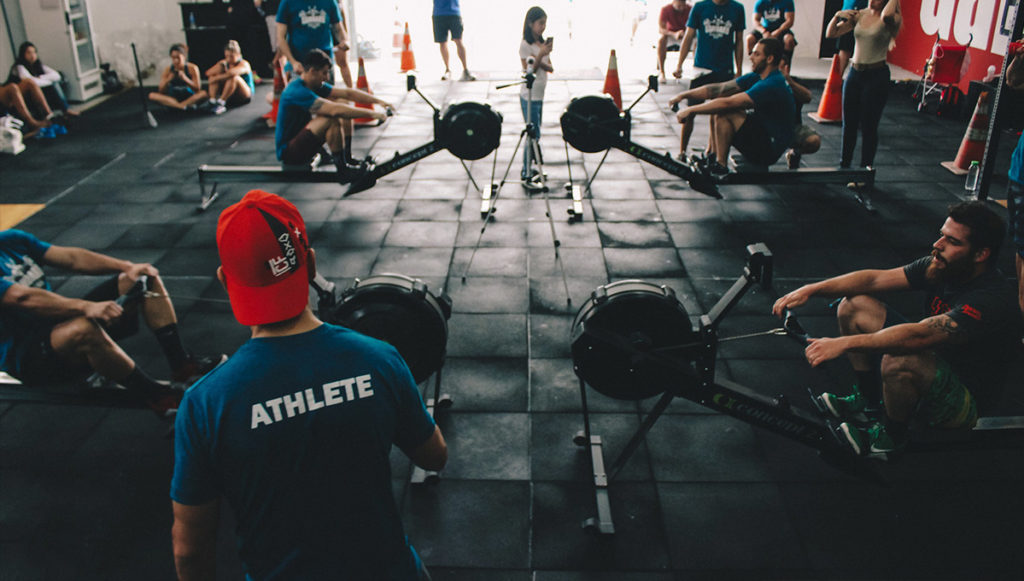
Medical professionals have refined the diagnosis and treatment of athletic injuries into a well-oiled machine. When a high-level athlete gets injured, they typically have immediate access to doctors on the field or in clinics, along with a wide range of therapists, sport specialist clinicians, athletic trainers, and coaches who help guide their recovery and return to play. From knees to shoulders, wrists to toes, the medical system supports athletes from head to toe. Almost.
Mental Health and Athletic Injuries
Many athletes struggle with mental health issues, yet few receive the same comprehensive support that physical injuries receive. Athletes often feel isolated, fear rejection from teammates or coaches, and feel unsure where to turn for help. Many people assume elite athletes are immune to mental health challenges because they often project confidence and peak physical condition. However, the pressure and isolation athletes experience at high levels can actually increase their need for mental health support. The stigma surrounding mental health exists throughout society, but it can intensify for athletes who fear losing their elite status or role model image.
The Stigma Of Mental Health in Athletics
At elite levels, intense performance pressure often compromises athletes’ mental health and pushes them toward unhealthy habits or mindsets. Eating disorders affect many male and female athletes, and research has linked depression directly to overtraining.
Constant pressure to outperform the competition can lead to chronic anxiety and sleep disorders. Additionally, hidden head injuries and concussions have demonstrated strong links to depression and other psychological challenges.
Athletes should not feel pressured to hide mental health concerns, and they should not view seeking help as a weakness. Like everyone else, elite athletes are vulnerable to mental health struggles, and they can benefit greatly from professional support once they overcome the stigma.
Talk About It
Everyone benefits from talking to someone. Anyone. Friends, family, coaches, teammates, physiotherapists, chiropractors, massage therapists. Anyone. A simple conversation represents the first step toward better mental health. Athletes, like the rest of us, just need the opportunity to start one.
The stigma continues to fade, and resources continue to grow for athletes and the general population alike. Stay informed and help break the silence around mental health.
Videos We Like: Bell Let’s Talk 2017: Howie Mandel – Talk to Someone
The Mental Health Series is a collaboration between our West Vancouver Chiropractor team and community partners.
Make An Appointment!
Quick Booking With The Jane App
Diagnosis of Athletic Injuries Today
Medical professionals have refined the diagnosis and treatment of athletic injuries into a well-oiled machine. When a high-level athlete gets injured, they typically have immediate access to doctors on the field or in clinics, along with a wide range of therapists, sport specialist clinicians, athletic trainers, and coaches who help guide their recovery and return to play. From knees to shoulders, wrists to toes, the medical system supports athletes from head to toe. Almost.
Mental Health and Athletic Injuries
Many athletes struggle with mental health issues, yet few receive the same comprehensive support that physical injuries receive. Athletes often feel isolated, fear rejection from teammates or coaches, and feel unsure where to turn for help. Many people assume elite athletes are immune to mental health challenges because they often project confidence and peak physical condition. However, the pressure and isolation athletes experience at high levels can actually increase their need for mental health support. The stigma surrounding mental health exists throughout society, but it can intensify for athletes who fear losing their elite status or role model image.
The Stigma Of Mental Health in Athletics
At elite levels, intense performance pressure often compromises athletes’ mental health and pushes them toward unhealthy habits or mindsets. Eating disorders affect many male and female athletes, and research has linked depression directly to overtraining.
Constant pressure to outperform the competition can lead to chronic anxiety and sleep disorders. Additionally, hidden head injuries and concussions have demonstrated strong links to depression and other psychological challenges.
Athletes should not feel pressured to hide mental health concerns, and they should not view seeking help as a weakness. Like everyone else, elite athletes are vulnerable to mental health struggles, and they can benefit greatly from professional support once they overcome the stigma.
Talk About It
Everyone benefits from talking to someone. Anyone. Friends, family, coaches, teammates, physiotherapists, chiropractors, massage therapists. Anyone. A simple conversation represents the first step toward better mental health. Athletes, like the rest of us, just need the opportunity to start one.
The stigma continues to fade, and resources continue to grow for athletes and the general population alike. Stay informed and help break the silence around mental health.
Videos We Like: Bell Let’s Talk 2017: Howie Mandel – Talk to Someone
The Mental Health Series is a collaboration between our West Vancouver Chiropractor team and community partners.